

Buying a Coffee and Espresso Maker
A coffee and espresso machine is a must-have for any kitchen, whether you prefer a full-sized pot or espresso. We have a variety of designs and features at Target to suit your needs.
Espresso machines high pressure pushes water through ground beans in just a few seconds. The grounds are then tamped in order to evenly compact them and interlock.
Features
There are many factors to consider when buying a coffee and espresso maker. The features will determine the machine's performance and suitability for your requirements. You should look for features that are convenient to use, enhance the quality of your beverage and allow you to personalize your drink.
Espresso makers and coffee makers can be quite simple. For instance, the traditional Bialetti Moka Express is a non-electric brewer which uses an insulated pot to slowly drip water over the ground beans. Certain models come with more advanced features, for instance, a double boiler that allows you to make espresso and froth or steaming milk at the simultaneously. Digital displays can also alert you when your water tank needs to be topped up and when the time is right to empty or clean the grounds bin, and when other maintenance tasks are due.
The majority of modern espresso and coffee makers use the same brewing method that involves pouring hot water over ground or pre-ground beans that are placed inside a filter. They're usually designed to stop the brewing process at the right time, so that you can have a fresh cup every morning. Some models let you choose the brewing intensity you prefer and some have adjustable temperature settings to ensure the best flavor.
The top-tier model of espresso and coffee machines is the superautomatic, which is designed for you to perform everything. They're usually equipped with an integrated grinder, meaning that they can grind and brew your coffee with fresh beans. They'll usually include a separate steam wand for making cappuccinos and lattes. They may also offer a menu that lets you choose from a variety of drinks, including hot chocolate.
If you have a smaller kitchen, choose a compact model to save counter space. If mini espresso machine have several members of your household who have different preferences in their coffee look into a multi-cup machine that can accommodate different sizes of cups. If you're an espresso connoisseur, look for models that allow you to customize the brew strength and water-to-coffee ratio so that you can have the perfect cup every time.
A solid warranty and prompt customer service are also crucial aspects to take into consideration when buying an espresso maker and coffee maker. Warranty periods vary from one to three years depending on the brand.
Easy to Use
If you want to create a coffeehouse-style beverage at home, you'll require more than a basic drip filter coffee maker. To make espresso, highly pressurized water is forced through finely ground coffee beans at high speed. The result is a quick "shot" of caffeine, with a rich layer of crema on the top. For this process, most espresso machines that combine coffee and espresso utilize a portafilter basket and steaming arm. Other machines rely pre-packaged pods, filters, or allow you measure and grind beans by hand.
The type of machine you select will depend on how hands-on you want to be and how much space you have available. Manual machines offer the most control, but require a lot of effort grinding the coffee beans, then hand-tamp it and pull your shots. Semiautomatic models take a step or two out of the process, such as grinding and tamping, but they require more effort than an automated machine. Fully automated espresso and coffee makers make a whole pot of drip or an entire cup of espresso with the touch of a button.
Take into consideration whether you are brewing for one person or a group of people. Certain models, like the Nespresso Vertuo Plus can brew three cups of coffee or espresso at a time. This is a great method of keeping up with your morning coffee needs, but it may not be the best choice when you're serving a crowd.
Dual boilers let you make coffee and steam milk simultaneously, so that you don't need to wait until one function cools before starting the second. This feature is especially useful if you're planning on making lattes or cappuccinos.
A coffee maker that has a removable water reservoir is less likely to build up mineral deposits than one that does not. You'll need to clean your reservoir periodically, but it will also save you time since you don't need to empty and replace the entire pot of water. Another factor that can contribute to mineral build-up is the hardness of the water you drink: A water that is harder to soften produces more dissolved minerals and causes your machine to need descaling more frequently. Filtered or soft water is less harsh on your machine and will decrease the frequency of descaling.
Ease of Cleaning
For many homeowners the espresso or coffee maker is a major investment. It requires regular maintenance to ensure that it operates at its peak and lasts for as long as it is. No matter if you use a drip coffee maker or an espresso machine, the proper cleaning of the carafe and other parts that can be removed is an essential aspect of maintaining the machine. Using vinegar or a specialized descaling solution at least once per month is essential to maintain your machine and certain models might have sensors that light up to alert you when it's time to clean.
While vinegar is a great option for sinks and countertops but the acidity could damage the rubber seals and components of your espresso or coffee maker, potentially limiting its life. Numerous brands, including Lavazza and Smeg suggest that you don't use vinegar to clean your coffee maker as it could invalidate the warranty.
To clean your espresso maker or coffee maker, remove the portafilter from the group. Dislodge any ground from the portafilter and the basket with a nylon scrubby pad or brush. Both must be thoroughly cleaned with hot water and then dried with a clean cloth. Next, clean your brewing group. Place a cleaning tablet in the blind filter. Do backflush. You can also manually backflush your machine by placing a cleaning tablet solution in the portafilter and turning on the brewing software after which you will have to stop for 10 seconds. Repeat this process until you notice a steady flow of water. This indicates that the machine has been descaled.
As water flows through the espresso machine, it has to pass through the mesh of the brew group. When this mesh is dirty, it could be blocked by coffee residue, which can negatively affect the extraction process. To ensure that the mesh is always in good shape Calatrello recommends removing it once every month cleaning it with a brush and soaking it overnight in hot water, using an anti-bacterial tablet that is dissolved in it.
If you have a fully automatic coffee and espresso machine You can clean it by removing the reservoir for water and filling it with clean water adding cleaning tablets, and running a backflush program. It is also recommended to clean the inside of the water reservoir as well as the pot to remove any stains or residue. It is essential to wash and dry both the carafe and the water reservoir before you rebuild the appliance.
Easy Maintenance
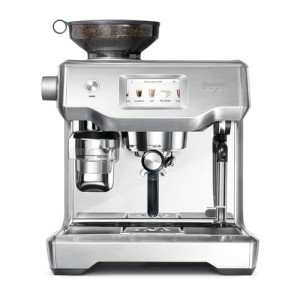
If you're looking to brew an espresso quickly or coffee on the go, opt for an automatic model. It doesn't need any action from you. These models typically have a basket that contains ground coffee beans and water that has been heated to the right temperature and is then released into the grounds and it is brewed in a single shot.
These machines are great for those who enjoy the process of making coffee, but don't want to spend long learning the techniques and skills required to make the best tasting drinks. They are easy to operate and easy to clean. The results are similar to those of a drip coffee maker.
To keep your machine in good condition be sure to clean the grounds used up from the portafilter following each use and clean the portafilter and the grouphead. Also, you'll need to flush your machine on a regular basis. This is accomplished by locking the filter inside the grouphead, and running the cycles of brewing a few more times until the water is clear. Coffeehouses will do this at the end each day, but homeowners can do it once every few days, or every week, using detergent, to give the machine a deeper clean.
You'll also need to clean your steam wand, milk reservoir as well as other parts of the machine on a regular basis. We recommend cleaning them once every week. To do this, just wipe the entire surface of the machine using vinegar and warm soapy water (check the product manual beforehand as some manufacturers advise against using vinegar). It is also recommended to change your filter often because hard water tends to create more mineral residue than soft or filtrated. This could cause your espresso and coffee maker to stop working or have a different taste. To keep this from happening, purchase an espresso maker and coffee maker that has the test of water hardness.